

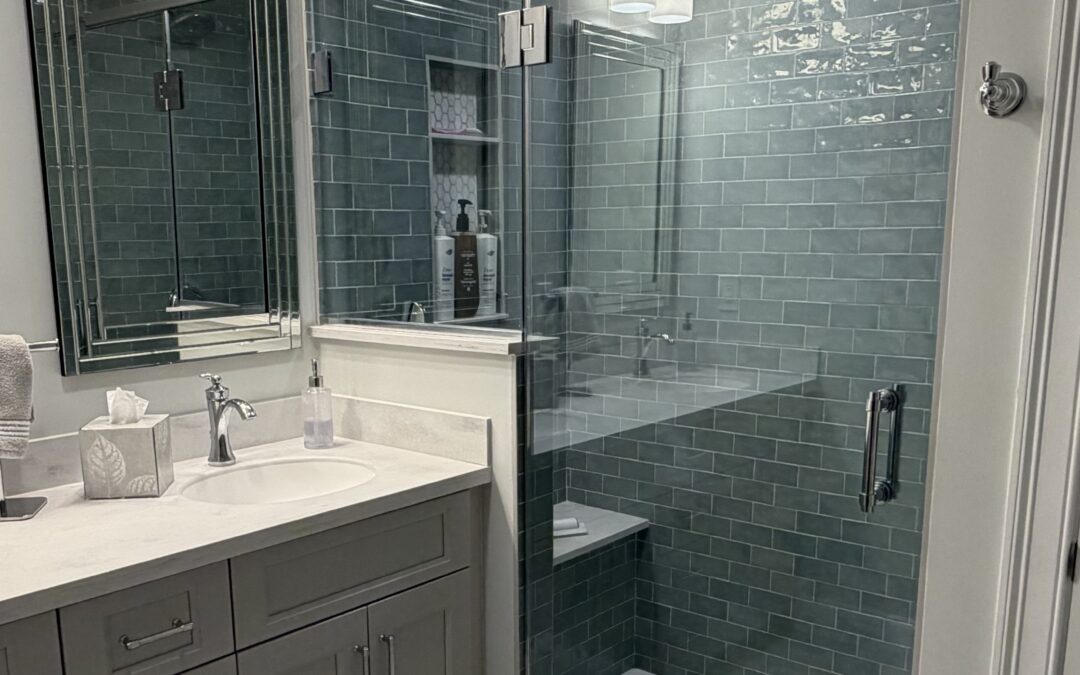
Some bathrooms clearly need remodeling. Cracked tile, leaking plumbing, or an unusable shower make the decision obvious. Other bathrooms technically work but feel cramped, outdated, difficult to clean, or poorly suited to your routine.
There is no specific age at which every bathroom needs to be replaced. Instead, look at how well the room functions, whether materials are beginning to fail, and whether the layout still meets your household’s needs.
Here are some of the biggest signs it may be time to plan a bathroom remodel.
1. You’re Constantly Making Repairs
An occasional repair does not necessarily mean you need a new bathroom. Repeated problems are different.
If you are regularly repairing leaking faucets, deteriorated grout, loose tile, worn fixtures, failing caulk, or plumbing issues, those smaller projects can add up. In an older bathroom, several systems and finishes may also begin reaching the end of their useful lives around the same time.
A professional bathroom remodel allows you to address both the visible finishes and what is happening behind them.
2. You Notice Signs of Water Damage
Bathrooms deal with moisture every day, making waterproofing and ventilation essential.
Watch for:
- Peeling or bubbling paint
- Discolored drywall
- Loose or cracked tile
- Soft areas around the shower or tub
- Persistent musty odors
- Swollen trim or cabinetry
- Recurring mildew
- Water appearing outside the shower
Not every stain indicates serious damage, but ongoing moisture issues should not be ignored. They can sometimes point to leaking plumbing, failed waterproofing, or moisture behind the wall.
Learn more about what may be hiding behind your bathroom walls.
3. The Layout No Longer Works
A bathroom can look fine and still be frustrating to use.
Maybe the shower door nearly hits the toilet, two people cannot comfortably use the vanity, or a large tub takes up valuable space despite rarely being used.
A remodel can help you make better use of the existing footprint by:
- Replacing an unused tub with a larger shower
- Reconfiguring the vanity
- Changing the shower-door style
- Adding built-in storage
- Improving traffic flow
- Relocating fixtures
- Creating a more open shower area
Sometimes a smarter layout makes a bigger difference than adding more square footage.
4. You Rarely Use Your Bathtub
If you consistently choose to shower and have another bathtub elsewhere in the home, you may prefer to turn that space into a dedicated walk-in shower.
A tub-to-shower conversion can provide more standing room, easier entry, built-in seating, recessed niches, custom fixtures, and frameless glass.
5. Getting Into the Shower Is Becoming Difficult
Bathroom needs can change over time. A high tub wall, slippery flooring, limited seating, or lack of support may eventually become concerns.
Modern accessible bathrooms can include:
- Zero-threshold or low-threshold showers
- Built-in or fold-down benches
- Strategically placed grab bars
- Handheld showerheads
- Slip-resistant flooring
- Wider shower entrances
- Improved lighting
These features can be incorporated into a polished residential design rather than making the room feel clinical.
Compare walk-in tubs and zero-threshold showers if long-term accessibility is part of your planning.
6. There Is Never Enough Storage
If toiletries, towels, cleaning products, and hair tools constantly end up on the counter, the bathroom may simply lack appropriate storage.
A remodel can incorporate vanity drawers, linen towers, recessed medicine cabinets, shower niches, built-in shelving, drawer organizers, and more countertop space.
Well-planned storage can also make a bathroom feel larger by reducing visible clutter.
7. Your Shower Door Is Making the Room Feel Dated
Heavy frames, aging tracks, cloudy glass, and outdated hardware can make an otherwise functional bathroom look much older.
If the shower itself is still in good condition, you may not need a complete renovation. Replacing the enclosure with custom shower glass may provide enough of an update.
Read more about replacing a shower door without remodeling the entire shower.
8. The Bathroom Is Too Hard to Clean
Older bathrooms often contain extra tracks, grout joints, and fixtures that require constant scrubbing.
A remodel gives you an opportunity to consider easier-to-maintain options such as:
- Frameless glass
- Larger-format tile
- Simplified shower hardware
- Recessed niches
- Skirted toilets
- Better ventilation
- Updated countertops
- Modern cabinetry
CT Shower & Bath also offers shower glass options designed to help reduce the effects of hard-water mineral buildup.
No bathroom is maintenance-free, but thoughtful materials can make routine cleaning easier.
9. The Lighting Is Poor
Many older bathrooms depend on a single overhead fixture.
A remodel can introduce layered lighting, including vanity lights, recessed ceiling fixtures, shower-rated lighting, decorative fixtures, illuminated mirrors, and night lighting.
Better lighting improves everyday function and can also change how tile, countertops, cabinetry, and hardware appear.
10. The Ventilation Cannot Keep Up
If your mirror stays fogged long after a shower or moisture regularly collects on the walls and ceiling, ventilation may be inadequate.
Proper ventilation helps remove humidity and can help protect paint, cabinetry, finishes, and other bathroom materials.
If walls are already being opened during a remodel, it is a good time to evaluate ventilation as part of the project.
11. The Bathroom Simply Looks Outdated
Function is not the only reason to remodel. You use the bathroom every day, and outdated finishes can make it feel disconnected from the rest of your home.
Common signs include:
- Older laminate countertops
- Large builder-grade mirrors
- Bulky framed shower doors
- Dated lighting
- Worn cabinetry
- Aging tile patterns
- Mismatched hardware
- Old plumbing fixtures
If the layout and major systems are still working well, smaller changes may be enough. See our guide to making a bathroom look more expensive without a full remodel.
Remodel or Make Smaller Updates?
Smaller updates may make sense if the layout works, plumbing is in good condition, tile and waterproofing are sound, and your concerns are mostly cosmetic.
A larger remodel may make more sense if the layout no longer functions, you want to relocate plumbing, water damage is present, the shower needs rebuilding, accessibility is a concern, or multiple systems and finishes need replacing.
The scope should be based on the problems you are trying to solve rather than simply the bathroom’s age.
Start Planning Before Something Fails
One of the best times to remodel is before the bathroom becomes an emergency.
Planning ahead gives you time to choose the layout, tile, fixtures, vanity, lighting, glass, and other details you actually want instead of rushing because a leak or failure has made the bathroom unusable.
At CT Shower & Bath, we help Connecticut homeowners with projects ranging from targeted upgrades to complete bathroom transformations. Our team can coordinate design, product selections, construction needs, and custom glass enclosures so the finished bathroom works as one cohesive space.
Browse our bathroom remodeling gallery, learn more about our remodeling process, or contact CT Shower & Bath to start discussing your project.